Showing posts with label tech industry. Show all posts
Tuesday, August 12, 2025
Worthwhile websites on journalism, tech industry and Chicago
I regularly spotlight websites that I find interesting, useful or entertaining. Here’s the latest batch.
Press Gazette
The U.K.-based Press Gazette provides great coverage of the media industry. Its tagline is “Fighting for quality news media in the digital age.”
Of interest to me is the excellent job it does casting a critical eye on the impact of Google search algorithms and, more recently, AI summaries on news publishers.
Ed Zitron’s Where’s Your Ed At
Ed Zitron’s Where’s Your Ed At is a blog run by PR person and writer Ed Zitron. He isn’t afraid to call out bullshit when he sees it in the tech industry, especially when it comes to the recent AI boom.
“I've been railing against bullshit bubbles since 2021,” he said in a recent post. That includes the anti-remote work push, the NFT bubble, the made-up quiet quitting panic and problems with FTX several months before it imploded.
“I believe the AI bubble is deeply unstable, built on vibes and blind faith,” Zitron said.
Layoffs.fyi
Layoffs.fyi has been tracking tech industry layoffs since the Covid-19 pandemic. It is a personal project of Roger Lee, an internet entrepreneur based in San Francisco.
He also tracks government employees laid off by the Department of Government Efficiency (DOGE). So far this year, DOGE has laid off 67,749 government employees
HeyJackass!
HeyJackass! Illustrates the violent crime problem in Chicago with charts and graphics showing shootings and homicides. It also sells funny Chicago-themed T-shirts and other merchandise.
Photo: Chicago Chalkie (HeyJackass!)
Saturday, July 19, 2025
The news media oversimplifies business competition
In trying to capture the attention of readers, the news media often oversimplifies the nature of business competition as one of winners and losers.
I’ll admit to doing this as well. But as a stock-focused technology business writer, it’s easier for me to point to companies doing well on the market and compare them to those that aren’t.
In a recent interview, streaming media industry analyst and consultant Dan Rayburn told me that he doesn’t like the popular phrase “streaming video war,” much less crowning Netflix the “winner.”
“As a soldier, someone still tied to the military, war is not good,” he said. “But what we have amongst all these streamers is competition. Competition is great.”
He added, “The media uses that (phrase) because it makes it sound worse than it is. It’s not a war – it’s competition. Competition breeds great things for consumers.”
And further, Netflix is not the only winner. It may have the largest global subscriber base, but others have been successful in the market. He pointed to Alphabet’s YouTube as another highly successful video streamer, one which takes a different approach to the market with ad-supported videos.
On May 9, AMD Chief Executive Lisa Su spoke to students, faculty and guests at Rensselaer Polytechnic Institute in Troy, N.Y. She was asked about her company’s competition with Nvidia.
“I don’t view these things as zero-sum games,” she said. “The media tends to want to make these very critique conversations. It’s AMD vs. Intel or it’s Nvidia vs. AMD.”
“I don’t think we should think about it that way,” she said. “We should think about things as: the world needs more compute … And there are very few companies that build compute.”
Wise words.
Photo: AMD Chief Executive Lisa Su speaks at Rensselaer Polytechnic Institute in Troy, N.Y., on May 9, 2025. She was interviewed by RPI President Martin Schmidt at the President’s Commencement Colloquy. (Patrick Seitz)
Sunday, January 23, 2022
Tech industry stories getting the Hollywood treatment
The information technology industry has long been a fertile ground for documentary filmmakers. Now Hollywood is taking aim at the sector. Several major docudramas based on real-life stories in the tech industry are on the way.
On March 3, Hulu will premiere “The Dropout,” starring Amanda Seyfried as Elizabeth Holmes, the convicted fraudster who ran Theranos. The biotech company closed in scandal in 2018 after failing to deliver on its promise that all blood tests could be done with a single drop of blood. “The Dropout” is an eight-episode miniseries.
On March 18, Apple TV+ will premiere “WeCrashed,” a limited series starring Jared Leto and Anne Hathaway. The eight-episode series will tell the story of the rise and spectacular fall of WeWork. The company grew from a single coworking space into a global brand worth $47 billion in under a decade. Then, in less than a year, its value plummeted.
Meanwhile, Showtime is working on a series based on New York Times reporter Mike Isaac’s book “Super Pumped: The Battle for Uber.” It is slated to star Joseph Gordon-Levitt as former Uber CEO Travis Kalanick.
Other movies or TV series have been announced based on Gamergate (see articles by the Wrap and Deadline), and the r/WallStreetBets and GameStop saga (see articles by Deadline, Variety and the Wrap.)
Also, Mark Wahlberg’s Unrealistic Ideas, the company behind HBO’s Emmy-nominated “McMillions,” is looking to do a limited docuseries on the rise and fall of MoviePass. (See articles by Deadline and AV Club.)
Related article:
‘Steve Jobs’ one of just a few movies based on tech industry true stories (Oct. 24, 2015)
Photos: “The Dropout” (top, from Hulu) and “WeCrashed” (bottom, from Apple TV+).
Saturday, October 15, 2016
Wall Street cliche alert: supercycle
Wall Street analysts lately have been chirping a lot about “supercycles,” or extended periods of growth for companies or industry sectors. It’s become a cliche.
Morgan Stanley analyst Katy Huberty on Friday said Apple will be riding a supercycle next year thanks to its highly anticipated iPhone 8 handset. Analysts with Canaccord Genuity, Cowen, and Credit Suisse also have referenced an iPhone 8 supercycle.
This fall, other analysts have been talking about supercycles in fiber optic networking and cybersecurity software.
I’ve seen other articles refer to supercycles in commodities and financing.
I know that economists coined the term supercycle long ago, but we really shouldn’t use the term now unless we’re discussing some awesome new Harley-Davidson motorcycle.
Morgan Stanley analyst Katy Huberty on Friday said Apple will be riding a supercycle next year thanks to its highly anticipated iPhone 8 handset. Analysts with Canaccord Genuity, Cowen, and Credit Suisse also have referenced an iPhone 8 supercycle.
This fall, other analysts have been talking about supercycles in fiber optic networking and cybersecurity software.
I’ve seen other articles refer to supercycles in commodities and financing.
I know that economists coined the term supercycle long ago, but we really shouldn’t use the term now unless we’re discussing some awesome new Harley-Davidson motorcycle.
Sunday, March 6, 2016
Technology industry halls of fame
The information technology industry is relatively young but already has several halls of fame.
What follows are halls of fame that honor people and technologies that helped shape the computer industry and related fields.
IT Hall of Fame
Information technology trade industry group CompTIA started the IT Hall of Fame in 2010 to honor the industry’s top business leaders and innovators.
The virtual shrine built on the legacy of an earlier hall of fame established by industry publication CRN. Honorees from the CRN Industry Hall of Fame were grandfathered into CompTIA’s new IT Hall of Fame. They include Bill Gates of Microsoft, William Hewlett and Dave Packard of Hewlett-Packard, Steve Jobs of Apple, and Andy Grove of Intel.
Computer Hall of Fame
The San Diego Computer Museum created the Computer Hall of Fame in the mid-1980s. The museum used to exhibit historic computer equipment, software and manuals, but those items are now in the archives at San Diego State University. The hall of fame is maintained as a virtual shrine online.
Internet Hall of Fame
The Internet Society created the Internet Hall of Fame in 2012. The Internet Hall of Fame is a recognition program and virtual museum that celebrates the history of the Internet and the individuals whose contributions have made the Internet, its worldwide availability and use, and its transformative nature possible.
Consumer Electronics Hall of Fame
The Consumer Electronics Hall of Fame recognizes the contributions of the pioneers, visionaries and leaders in the consumer electronics industry. The Consumer Technology Association created the CE Hall of Fame in 2000. Each year a new group of inventors, engineers, business leaders, retailers and journalists are inducted into the CE Hall of Fame, which exists only online.
Academy of Interactive Arts & Sciences Hall of Fame
Since 1998, the Academy of Interactive Arts & Sciences has annually inducted into its hall of fame video game developers who have made revolutionary and innovative achievements in the video game and PC game industry.
The latest to be inducted in the AIAS Hall of Fame was Hideo Kojima, creator of the “Metal Gear Solid” game series. He was inducted on Feb. 18 at the 19th annual DICE Awards in Las Vegas.
Robot Hall of Fame
The School of Computer Science at Carnegie Mellon University in Pittsburgh, Pennsylvania, created the Robot Hall of Fame in 2003 to recognize notable robots in science, industry and entertainment. Many of the inductees are enshrined at the Roboworld exhibit at the Carnegie Science Center in Pittsburgh.
Unfortunately the Robot Hall of Fame is struggling financially. It hasn’t inducted a new class of robots since 2012.
What follows are halls of fame that honor people and technologies that helped shape the computer industry and related fields.
IT Hall of Fame
Information technology trade industry group CompTIA started the IT Hall of Fame in 2010 to honor the industry’s top business leaders and innovators.
The virtual shrine built on the legacy of an earlier hall of fame established by industry publication CRN. Honorees from the CRN Industry Hall of Fame were grandfathered into CompTIA’s new IT Hall of Fame. They include Bill Gates of Microsoft, William Hewlett and Dave Packard of Hewlett-Packard, Steve Jobs of Apple, and Andy Grove of Intel.
Computer Hall of Fame
The San Diego Computer Museum created the Computer Hall of Fame in the mid-1980s. The museum used to exhibit historic computer equipment, software and manuals, but those items are now in the archives at San Diego State University. The hall of fame is maintained as a virtual shrine online.
Internet Hall of Fame
The Internet Society created the Internet Hall of Fame in 2012. The Internet Hall of Fame is a recognition program and virtual museum that celebrates the history of the Internet and the individuals whose contributions have made the Internet, its worldwide availability and use, and its transformative nature possible.
Consumer Electronics Hall of Fame
The Consumer Electronics Hall of Fame recognizes the contributions of the pioneers, visionaries and leaders in the consumer electronics industry. The Consumer Technology Association created the CE Hall of Fame in 2000. Each year a new group of inventors, engineers, business leaders, retailers and journalists are inducted into the CE Hall of Fame, which exists only online.
Academy of Interactive Arts & Sciences Hall of Fame
Since 1998, the Academy of Interactive Arts & Sciences has annually inducted into its hall of fame video game developers who have made revolutionary and innovative achievements in the video game and PC game industry.
The latest to be inducted in the AIAS Hall of Fame was Hideo Kojima, creator of the “Metal Gear Solid” game series. He was inducted on Feb. 18 at the 19th annual DICE Awards in Las Vegas.
Robot Hall of Fame
The School of Computer Science at Carnegie Mellon University in Pittsburgh, Pennsylvania, created the Robot Hall of Fame in 2003 to recognize notable robots in science, industry and entertainment. Many of the inductees are enshrined at the Roboworld exhibit at the Carnegie Science Center in Pittsburgh.
Unfortunately the Robot Hall of Fame is struggling financially. It hasn’t inducted a new class of robots since 2012.
Saturday, October 24, 2015
‘Steve Jobs’ one of just a few movies based on tech industry true stories
“Steve Jobs,” the new biopic about the Apple co-founder and CEO, went into wide release at theaters nationwide on Friday. It has earned mostly positive reviews from film critics, but Silicon Valley insiders have slammed the movie for factual inaccuracies.
Hollywood takes creative license when telling true stories to make movies more dramatic, emotional and engaging. What’s most important with a biopic is capturing the essence of the characters and providing the basic truths about the events portrayed.
Filmmakers are never going to please those who were closest to the subjects. Heck, they can’t even agree with documentaries on their subjects, which also can be slanted to tell a more interesting story.
Steve Jobs has been portrayed in three movies: “Pirates of Silicon Valley” (1999), “Jobs” (2013) and now “Steve Jobs.” But he’s been profiled in at least seven feature-length documentaries, most recently “Steve Jobs: The Man in the Machine” (2015) from director Alex Gibney.
There have been very few movies based on tech industry true stories. I count just nine to date, with the most well-known being “The Social Network,” the 2010 movie about the founding of Facebook. (Check out my list of IT industry movies based on true stories at IMDb.)
Two more are on the way soon. They include “Snowden,” director Oliver Stone’s take on NSA whistleblower Edward Snowden, and “The Salesman,” a look at IBM’s dealings with Nazi Germany.
By contrast, the information technology industry, including the rise of personal computers and the Internet, has been a rich source of material for documentaries. I count at least 53 feature-length documentaries on the IT industry and its impact. (Check out my list of documentaries about the IT industry at IMDb.)
Hollywood takes creative license when telling true stories to make movies more dramatic, emotional and engaging. What’s most important with a biopic is capturing the essence of the characters and providing the basic truths about the events portrayed.
Filmmakers are never going to please those who were closest to the subjects. Heck, they can’t even agree with documentaries on their subjects, which also can be slanted to tell a more interesting story.
Steve Jobs has been portrayed in three movies: “Pirates of Silicon Valley” (1999), “Jobs” (2013) and now “Steve Jobs.” But he’s been profiled in at least seven feature-length documentaries, most recently “Steve Jobs: The Man in the Machine” (2015) from director Alex Gibney.
There have been very few movies based on tech industry true stories. I count just nine to date, with the most well-known being “The Social Network,” the 2010 movie about the founding of Facebook. (Check out my list of IT industry movies based on true stories at IMDb.)
Two more are on the way soon. They include “Snowden,” director Oliver Stone’s take on NSA whistleblower Edward Snowden, and “The Salesman,” a look at IBM’s dealings with Nazi Germany.
By contrast, the information technology industry, including the rise of personal computers and the Internet, has been a rich source of material for documentaries. I count at least 53 feature-length documentaries on the IT industry and its impact. (Check out my list of documentaries about the IT industry at IMDb.)
Sunday, December 14, 2014
7 more fun this-or-that quizzes
Following yesterday’s list of 14 this-or-that quizzes from CollegeHumor, here are seven more fun this-or-that quizzes from other sources on the Internet.
Who said it: tech executive or evil dictator?
This quiz from the Verge compares quotes from tech executives with those of evil dictators.
Line from “The Great Gatsby” or a New York Times profile of Lena Dunham?
The Washington Post noted that the Grey Lady likes to use “flowery, excessively descriptive prose” in its profiles of actress Lena Dunham.
Hemingway or a children’s book?
BuzzFeed put together a quiz comparing lines from Ernest Hemingway books with those from children’s books.
Drug or programming language?
This quiz from Slate compares the names of drugs and programming languages?
Who said it: Justin Bieber or Johnny Manziel?
Sports Illustrated noticed that singer Justin Bieber and Browns quarterback Johnny Manziel say similar things.
Who said it: John Mayer or Pepe Le Pew?
Comedian Billy Eichner challenged actress Olivia Wilde to identify quotes as being from either singer John Mayer or cartoon lothario Pepe Le Pew. (See articles by the Huffington Post and Entertainment Weekly.)
Celebrity child or Kentucky Derby winner?
Eichner quizzed Late Show host David Letterman with this challenge.
Who said it: tech executive or evil dictator?
This quiz from the Verge compares quotes from tech executives with those of evil dictators.
Line from “The Great Gatsby” or a New York Times profile of Lena Dunham?
The Washington Post noted that the Grey Lady likes to use “flowery, excessively descriptive prose” in its profiles of actress Lena Dunham.
Hemingway or a children’s book?
BuzzFeed put together a quiz comparing lines from Ernest Hemingway books with those from children’s books.
Drug or programming language?
This quiz from Slate compares the names of drugs and programming languages?
Who said it: Justin Bieber or Johnny Manziel?
Sports Illustrated noticed that singer Justin Bieber and Browns quarterback Johnny Manziel say similar things.
Who said it: John Mayer or Pepe Le Pew?
Comedian Billy Eichner challenged actress Olivia Wilde to identify quotes as being from either singer John Mayer or cartoon lothario Pepe Le Pew. (See articles by the Huffington Post and Entertainment Weekly.)
Celebrity child or Kentucky Derby winner?
Eichner quizzed Late Show host David Letterman with this challenge.
Tuesday, April 29, 2014
Crazy soda flavors not available in the U.S. and other fun business lists
This compilation of interesting lists broadly covers consumer products and business.
11 Crazy Soda Flavors You Won’t Find in the U.S. (Mashable)
15 Cool Lego Minifigure Facts (Mashable)
The 50 Coolest Happy Meal Toys of All Time (Complex)
Cool and Creative Bus Stop Ads (123 Inspiration)
The REAL ‘Stuff White People Like’ (OKCupid)
15 things you didn’t know about Google (The Guardian)
14 Early Startup Execs Who Missed Out On Fortunes (Business Insider)
History’s 15 Worst Named Tech Products (Intertech)
9 CEOs With The Worst Reputations (24/7 Wall St.)
Photo: Pepsi Ice Cucumber (photo by Flickr user Tenaciousme.)
11 Crazy Soda Flavors You Won’t Find in the U.S. (Mashable)
15 Cool Lego Minifigure Facts (Mashable)
The 50 Coolest Happy Meal Toys of All Time (Complex)
Cool and Creative Bus Stop Ads (123 Inspiration)
The REAL ‘Stuff White People Like’ (OKCupid)
15 things you didn’t know about Google (The Guardian)
14 Early Startup Execs Who Missed Out On Fortunes (Business Insider)
History’s 15 Worst Named Tech Products (Intertech)
9 CEOs With The Worst Reputations (24/7 Wall St.)
Photo: Pepsi Ice Cucumber (photo by Flickr user Tenaciousme.)
Sunday, June 30, 2013
10 entertaining websites, including You Had One Job! and Blackboards in Porn
Occasionally I like to spotlight some of the interesting websites I come across in my travels online.
This is one of those times.
You Had One Job!
“You Had One Job” is an expression used to call attention to blunders made by careless individuals on the job. The website of the same name posts the embarrassing mistakes of those workers.
Blackboards in Porn
Blackboards in Porn celebrates pornographers who go the extra mile when set decorating classroom porn scenes by writing something on the blackboard. This website examines whether what they wrote is correct.
‘Would you rather’ questions
Rrrather.com features over 41,000 questions that start with ‘Would you rather …” A lot of the questions are morality based. Others provide insights into your personality.
Questions include “Would you rather your daughter had no friends or was a slut?” and “Would you rather be paralyzed from the neck down for the next five years and then fully recover or be in a coma for the next five years and then fully recover?”
Lists of Note
Lists of Note posts interesting lists from famous people including Albert Einstein, F. Scott Fitzgerald and Stanley Kubrick. The website is edited by Shaun Usher, who also does Letters of Note.
Letters of Note
Letters of Note publishes letters of historical interest from famous people.
Art Descriptions
Art Descriptions posts artists’ descriptions of their work without showing the actual art. The descriptions are typically pretentious and self-congratulatory.
Nonstartr
Nonstartr makes fun of startup business pitches where entrepreneurs describe their companies as a mix of two other companies.
Zombie Dead Blog
Zombie Dead Blog posts screenshots of abandoned blogs from Blogger and elsewhere. Typically these blogs are ones that never really got started, but still exist on the Internet for all to see. The results are quite humorous.
Time Travel Project
Flora Borsi, a photographer based in Budapest, created a series of pictures called the “Time Travel Project,” where she Photoshops herself into historic photos of famous people. In the pictures, she is taking photos of Elvis Presley, the Beatles and others with a camera phone or digital camera.
Engrish.com
Engrish.com features humorous photos of flawed English use, mostly in Asia.
This is one of those times.
You Had One Job!
“You Had One Job” is an expression used to call attention to blunders made by careless individuals on the job. The website of the same name posts the embarrassing mistakes of those workers.
Blackboards in Porn
Blackboards in Porn celebrates pornographers who go the extra mile when set decorating classroom porn scenes by writing something on the blackboard. This website examines whether what they wrote is correct.
‘Would you rather’ questions
Rrrather.com features over 41,000 questions that start with ‘Would you rather …” A lot of the questions are morality based. Others provide insights into your personality.
Questions include “Would you rather your daughter had no friends or was a slut?” and “Would you rather be paralyzed from the neck down for the next five years and then fully recover or be in a coma for the next five years and then fully recover?”
Lists of Note
Lists of Note posts interesting lists from famous people including Albert Einstein, F. Scott Fitzgerald and Stanley Kubrick. The website is edited by Shaun Usher, who also does Letters of Note.
Letters of Note
Letters of Note publishes letters of historical interest from famous people.
Art Descriptions
Art Descriptions posts artists’ descriptions of their work without showing the actual art. The descriptions are typically pretentious and self-congratulatory.
Nonstartr
Nonstartr makes fun of startup business pitches where entrepreneurs describe their companies as a mix of two other companies.
Zombie Dead Blog
Zombie Dead Blog posts screenshots of abandoned blogs from Blogger and elsewhere. Typically these blogs are ones that never really got started, but still exist on the Internet for all to see. The results are quite humorous.
Time Travel Project
Flora Borsi, a photographer based in Budapest, created a series of pictures called the “Time Travel Project,” where she Photoshops herself into historic photos of famous people. In the pictures, she is taking photos of Elvis Presley, the Beatles and others with a camera phone or digital camera.
Engrish.com
Engrish.com features humorous photos of flawed English use, mostly in Asia.
Friday, December 28, 2012
Twitter goes public, Zynga CEO steps down and more 2013 tech industry predictions
My roundup of tech industry predictions for 2013 from around the Web continues here with looks at Twitter, Zynga, Facebook, Google and LinkedIn.
2013 tech predictions, part three:
1. Twitter will go public.
Microblogging service Twitter will go public in 2013 so it can afford to play in the “verticalization of the Web,” says Howard Lindzon, co-founder and CEO of Stocktwits. Facebook buying Instagram is one example of the trend toward verticalization, he says. Google and Amazon will be other players in the movement.
But as I wrote earlier in the week, Twitter also is seen as an acquisition target by Google in 2013.
Eric Jackson, founder of IronFire Capital, doubts Twitter will go public and could be a potential acquisition for Apple.
Patrick B. Gibson, a staff engineer at Tilde Inc. and former Apple employee, thinks Apple will buy Twitter to get its Web services expertise.
Cnet notes that Twitter has said for some time that it wants to remain an independent company. But if a big enough offer comes around, who knows?
2. Zynga CEO Mark Pincus will be forced out.
In his article “CEOs Who Will Get Fired in 2013,” Rocco Pendola, TheStreet’s director of social media, puts Zynga CEO Mark Pincus at the top of his list in terms of likelihood of getting canned. He said online games company Zynga should fire Pincus and “reassign” him to a role as founder and chief strategy officer.
Second on his list is Best Buy CEO Hubert Joly. His hiring was a “mistake,” Rendola said. “Fire his butt, but be nice in the process.”
3. Facebook will get its mojo back.
Social networking giant Facebook struggled after going public in 2012 as investors grumbled about its slowing growth and lack of mobile strategy. But several analysts think Facebook will shine in 2013.
“The recovery of Facebook” will be a big story in 2013, says Henry Blodget, editor and CEO of Business Insider. “They finally reaccelerate revenue and everybody gets excited about it again. (Facebook CEO) Mark Zuckerberg becomes this major league capitalist, which he is starting to show signs of. He’s sick of being humiliated (and called a) communist. That’s out the window.”
Will he put on a suit? “No. He’ll stick with the shirt.” And hoodie.
2013 will be the year of “mobile (advertising) at scale,” said Lucy Jacobs, chief operating officer at Spruce Media. “Mobile launched this year on Facebook and we’ve seen some really strong results on initial testing. I think Facebook is going to dial up the rate of monetization on mobile and advertisers will be able to tap into that channel further.”
Facebook will become “a meaningful ad-scale platform” in 2013, says Antonio Rodriguez, a general partner at Matrix Partners.
4. Google+ shows surprising growth.
Google’s social networking service “Google+ will pick up steam in 2013 and reach a threshold as Facebook’s growth will slow and some of that will be people deciding they can get more done on Google+,” says Marshall Sponder, an independent Web analytics and SEO/SEM specialist.
More people will use Google+ next year because Google is pushing users of its other services to give it a try. And Google+ will get a boost from mainstream media organizations, says Lindsey Cook, a junior journalism and computer science major at the University of Georgia.
“Google+ will continue to rise in newsrooms because of Google’s search algorithm,” she said. “Social media is already integrated into the algorithm. At some newspapers, SEO experts are telling them to have Google+ accounts and to post often. Why? It’s page rank, dummy, and that’s not going to go away.”
5. LinkedIn will go on a buying spree.
Professional networking service LinkedIn will be a “very active acquirer in 2013,” Lindzon says. “I believe they will make a few big acquisitions along with tuck-ins like my 2012 fave Rapportive. My favorite big idea for them remains Angellist.”
LinkedIn will be seen as “the new Facebook” next year, according to Affect, a public relations and social media firm specializing in technology, healthcare and professional services. LinkedIn will become important for companies interested in monitoring conversations about their brands and connecting with customers and influencers. LinkedIn also will be used by more journalists to research and break stories, Affect says.
Ed McMasters, director of marketing and communication at Flottman Company, is equally enthusiastic about LinkedIn’s prospects.
“The future of social media for B2B will be held in the hands of LinkedIn – the new advances of LinkedIn make it a true business-to-business relationship builder … I am a firm believer that LinkedIn will be the social media BIG GUY of the future.”
Tuesday, December 25, 2012
Google to acquire Netflix and other ballsy 2013 tech industry predictions
Most year-ahead prediction articles are yawners because their predictions are either obvious or intentionally vague.
But sometimes prognosticators take a big risk and make bold predictions for the coming year. I’ve assembled some of those here along with other predictions that I found interesting.
2013 tech industry predictions, part one:
1. Google will buy Netflix.
Research firm CCS Insight thinks Google will buy Netflix in 2013. The acquisition of Netflix’s premium subscription video service would complement Google’s free, ad-supported YouTube service. The acquisition also would improve Google’s relationships with major studios and content rights holders.
In the past, other predicted Netflix acquirers have included Amazon.com and Microsoft.
2. Microsoft will buy TiVo.
CCS Insight expects Microsoft “to buy TiVo or a TiVo-type service to integrate its technology in the next-generation Xbox” video game console, according to Consett Magazine.
3. Google will buy Twitter.
Microblogging service Twitter will get acquired in 2013, says Dylan Collins, founder and CEO of several Internet and online gaming companies including Phorest (acquired by MBO), DemonWare (acquired by Activision Blizzard) and Jolt Online Gaming (acquired by GameStop).
“At some point the current investors look around and realize that the entire stock has now been re-sold at least five times. Hard to see how Google doesn’t buy it,” he said.
4. Microsoft or Facebook will buy Yahoo.
Marshall Sponder, an independent Web analytics and SEO/SEM specialist, puts “even money” on Microsoft or Facebook buying Yahoo in 2013.
Microsoft tried to buy Yahoo in February 2008 in a deal initially valued at $44.6 billion, but Yahoo rejected the bid, which was later sweetened. As of late December, Yahoo was valued at $23.2 billion, with shares rising under new CEO Marissa Mayer.
5. Twitter will buy Foursquare.
“Foursquare will be acquired by Twitter in 2013,” Sponder predicts. “If Foursquare isn’t acquired by Twitter in mid 2013, it will irrelevant by the end of 2014.” The platform is losing momentum, he said.
6. Yahoo will buy Foursquare.
Bryce Maddock, CEO of TaskUs.com, predicts that Yahoo will buy FourSquare.
Yahoo CEO Marissa Mayer “knows better than anyone that she and Yahoo will live or die with mobile,” he said. “That Mayer’s mandate is so clear, makes bringing Yahoo back to relevancy no less difficult. I don’t expect Mayer is being entirely honest when she says Yahoo will move into mobile through small acquisitions … The fact is, to catch up with the widening lead of Facebook and Google in mobile, Mayer and Yahoo will need more than just a toe in the water; at some point they are going to cannonball into the mobile pool. My bet is on FourSquare.”
7. Zynga will go private.
Social gaming company Zynga will go private next year, says entrepreneur Dylan Collins.
“Wall St. likes predictability. Do you honestly think that’s the place for a company transitioning its entire business from Facebook to mobile while also experimenting with social gambling? I’m guessing Q2,” he wrote.
8. China Mobile will try to buy Deutsche Telekom.
China Mobile’s efforts to expand into Europe will trigger a wave of global consolidation in 2013, CCS Insight says.
“China Mobile will try to buy Deutsche Telekom,” the research firm says. “Its move will meet considerable resistance in Germany, allowing France Telecom to step in and lead a Franco-German merger. This will prompt a rash of consolidation that affects Telefonica, Telecom Italia and several networks in Scandinavia. China Mobile will snap up some of the assets that the newly merged entities will be obliged to divest to satisfy regulatory concerns. These could include operators in Eastern Europe, which may then deploy Chinese TD-SCDMA networks.”
9. Microsoft buys GetSatisfaction or Lithium.
Market research firm IDC predicts that Microsoft will beef up its customer relationship management offerings by acquiring a community management platform like GetSatisfaction or Lithium.
10. RIM restructures into two divisions: a services unit and a hardware unit.
Research In Motion is predicted to split into two units by CCS Insight. A services division would focus on the BlackBerry service and network infrastructure. The hardware division would develop BlackBerry handsets and mobile operating systems.
Photo: Netflix promotional art.
But sometimes prognosticators take a big risk and make bold predictions for the coming year. I’ve assembled some of those here along with other predictions that I found interesting.
2013 tech industry predictions, part one:
1. Google will buy Netflix.
Research firm CCS Insight thinks Google will buy Netflix in 2013. The acquisition of Netflix’s premium subscription video service would complement Google’s free, ad-supported YouTube service. The acquisition also would improve Google’s relationships with major studios and content rights holders.
In the past, other predicted Netflix acquirers have included Amazon.com and Microsoft.
2. Microsoft will buy TiVo.
CCS Insight expects Microsoft “to buy TiVo or a TiVo-type service to integrate its technology in the next-generation Xbox” video game console, according to Consett Magazine.
3. Google will buy Twitter.
Microblogging service Twitter will get acquired in 2013, says Dylan Collins, founder and CEO of several Internet and online gaming companies including Phorest (acquired by MBO), DemonWare (acquired by Activision Blizzard) and Jolt Online Gaming (acquired by GameStop).
“At some point the current investors look around and realize that the entire stock has now been re-sold at least five times. Hard to see how Google doesn’t buy it,” he said.
4. Microsoft or Facebook will buy Yahoo.
Marshall Sponder, an independent Web analytics and SEO/SEM specialist, puts “even money” on Microsoft or Facebook buying Yahoo in 2013.
Microsoft tried to buy Yahoo in February 2008 in a deal initially valued at $44.6 billion, but Yahoo rejected the bid, which was later sweetened. As of late December, Yahoo was valued at $23.2 billion, with shares rising under new CEO Marissa Mayer.
5. Twitter will buy Foursquare.
“Foursquare will be acquired by Twitter in 2013,” Sponder predicts. “If Foursquare isn’t acquired by Twitter in mid 2013, it will irrelevant by the end of 2014.” The platform is losing momentum, he said.
6. Yahoo will buy Foursquare.
Bryce Maddock, CEO of TaskUs.com, predicts that Yahoo will buy FourSquare.
Yahoo CEO Marissa Mayer “knows better than anyone that she and Yahoo will live or die with mobile,” he said. “That Mayer’s mandate is so clear, makes bringing Yahoo back to relevancy no less difficult. I don’t expect Mayer is being entirely honest when she says Yahoo will move into mobile through small acquisitions … The fact is, to catch up with the widening lead of Facebook and Google in mobile, Mayer and Yahoo will need more than just a toe in the water; at some point they are going to cannonball into the mobile pool. My bet is on FourSquare.”
7. Zynga will go private.
Social gaming company Zynga will go private next year, says entrepreneur Dylan Collins.
“Wall St. likes predictability. Do you honestly think that’s the place for a company transitioning its entire business from Facebook to mobile while also experimenting with social gambling? I’m guessing Q2,” he wrote.
8. China Mobile will try to buy Deutsche Telekom.
China Mobile’s efforts to expand into Europe will trigger a wave of global consolidation in 2013, CCS Insight says.
“China Mobile will try to buy Deutsche Telekom,” the research firm says. “Its move will meet considerable resistance in Germany, allowing France Telecom to step in and lead a Franco-German merger. This will prompt a rash of consolidation that affects Telefonica, Telecom Italia and several networks in Scandinavia. China Mobile will snap up some of the assets that the newly merged entities will be obliged to divest to satisfy regulatory concerns. These could include operators in Eastern Europe, which may then deploy Chinese TD-SCDMA networks.”
9. Microsoft buys GetSatisfaction or Lithium.
Market research firm IDC predicts that Microsoft will beef up its customer relationship management offerings by acquiring a community management platform like GetSatisfaction or Lithium.
10. RIM restructures into two divisions: a services unit and a hardware unit.
Research In Motion is predicted to split into two units by CCS Insight. A services division would focus on the BlackBerry service and network infrastructure. The hardware division would develop BlackBerry handsets and mobile operating systems.
Photo: Netflix promotional art.
Labels:
facebook,
google,
lists,
microsoft,
netflix,
predictions,
tech industry,
tivo,
twitter,
yahoo,
zynga
Sunday, April 17, 2011
Record and book stores might as well be selling buggy whips
Saturday was Record Store Day, a celebration of independent record stores.
Record stores are dying out as more people download music from online services. It’s a sad, unavoidable fact that we’re losing part of our culture as record stores close. (Read: “Digital culture means less public culture.”)
But times change and technology advances.
The same is true with book stores. They’re going away as people read fewer physical books. There’s no bad guy in this change. It’s just the way it is. (Someone should explain that to U.S. Rep. Jesse Jackson Jr.)
What follows are some interesting articles detailing the relentless march of progress.
Obsolete: An Encyclopedia of Once-Common Things Passing Us By
(Book by Anna Jane Grossman)
9 Gadgets That Smartphones Made Obsolete (Huffington Post; April 12, 2011)
Beloit College Mindset List 2013 (Beloit College)
Wanna Feel Old? (Blog on Tumblr)
20 Dying Technologies (Bloomberg Businessweek; Oct. 21, 2010)
20 things that became obsolete last decade (Huffington Post: Dec. 22, 2010)
100 Things Your Kids May Never Know About (Wired; July 22, 2009)
50 things that are being killed by the Internet (The Telegraph; Sept. 4, 2009)
10 Best Things We’ll Say to Our Grandkids (Wired; Sept. 21, 2009)
Tech Evolution: 18 Gadgets that Used to be High-Tech (Gajitz)
10 Industries That Are 'Dying'? Or 10 Industries That Are Changing? (Techdirt; April 7, 2011)
The Jobs Of Yesteryear: Obsolete Occupations (NPR)
Record stores are dying out as more people download music from online services. It’s a sad, unavoidable fact that we’re losing part of our culture as record stores close. (Read: “Digital culture means less public culture.”)
But times change and technology advances.
The same is true with book stores. They’re going away as people read fewer physical books. There’s no bad guy in this change. It’s just the way it is. (Someone should explain that to U.S. Rep. Jesse Jackson Jr.)
What follows are some interesting articles detailing the relentless march of progress.
Obsolete: An Encyclopedia of Once-Common Things Passing Us By
9 Gadgets That Smartphones Made Obsolete (Huffington Post; April 12, 2011)
Beloit College Mindset List 2013 (Beloit College)
Wanna Feel Old? (Blog on Tumblr)
20 Dying Technologies (Bloomberg Businessweek; Oct. 21, 2010)
20 things that became obsolete last decade (Huffington Post: Dec. 22, 2010)
100 Things Your Kids May Never Know About (Wired; July 22, 2009)
50 things that are being killed by the Internet (The Telegraph; Sept. 4, 2009)
10 Best Things We’ll Say to Our Grandkids (Wired; Sept. 21, 2009)
Tech Evolution: 18 Gadgets that Used to be High-Tech (Gajitz)
10 Industries That Are 'Dying'? Or 10 Industries That Are Changing? (Techdirt; April 7, 2011)
The Jobs Of Yesteryear: Obsolete Occupations (NPR)
Friday, December 31, 2010
10 interesting 2011 predictions
After curating a list of the boldest 2011 tech industry predictions for Investors.com, I decided to compile a list of the most interesting 2011 predictions on other topics.
Yesterday I posted the prediction that pies will be a big food craze next year.
Here are some other predictions (some nutty, some rational) from across the World Wide Web.
1. More UFOs in 2011
We can “expect more and more unexplained phenomenon with the earth’s atmosphere in 2011 including meteorites, undiscovered anomalies, and strange behavior of the sun and yes, even UFOs,” said Alison Baughman, a professional numerologist. She’s conveniently vague, of course.
2. Strong earthquake in Iran
A strong earthquake in Iran will victimize thousands, says Mohamed Faroun, a self-proclaimed Egyptian astrologer.
Numerologist Baughman sees an “increased trend” in earthquakes next year and is particularly concerned about the Gulf of California.
3. Barack Obama falls ill
U.S. President Barack Obama “will have a health problem or/and an unexpected accident,” Faroun predicts.
4. Big year for IPOs
Next year could be a big one for initial public offerings, according to the New York Times and Inc. magazine. Possible tech IPOs in 2011 include Facebook, Groupon, LinkedIn, Pandora, Skype, Zynga and Zipcar.
5. Jennifer Aniston meets her soul mate, maybe
“Friends” star and tabloid regular Jennifer Aniston will meet her soul mate “in the next two years,” psychic Ron Bard tells Wonderwall. Plus, towards the fourth quarter of 2011, she will be shooting a movie that “will be up for an Academy Award.” Costume design perhaps? I wish these psychics would be more specific.
6. Social unrest in the U.S. over the economy
Angry demonstrations over the economy will be staged in many major U.S. cities, says Bruce Krasting of Zero Hedge. Some of the demonstrations will turn violent, he predicts. “The frustration that was evident in France in recent years will come to the US,” he writes.
7. Volt bombs, Dreamliner parked
GM’s plug-in hybrid electric car, the Chevy Volt, will not sell well, Krasting forecasts. Boeing will be unable to complete a single Dreamliner aircraft, he adds. GM will trade below $30 a share and Boeing will hit the low $50s. (GM closed today at 36.86 and Boeing at 65.26.)
8. E-book growth skyrockets
Digital books, or e-books, will hit 20% market share by the end of 2011, predicts Richard MacManus on ReadWriteWeb. E-books made up 9.03% of total consumer book sales in 2010, compared with 3.31% in 2009, according to the Association of American Publishers. E-book growth will rocket in 2011, thanks to cheap e-readers and an e-book price war among Amazon.com, Barnes & Noble and others, he says. MacManus expects one in five books sold in 2011 will be e-books.
9. People will make a great fuss about 11/11/11
Numerologists will make a big deal out of Nov. 11, 2011, says John Derbyshire of the National Review Online.
10. Discovery Communications and Scripps Networks will merge
The Daily Beast predicts that the two pure-play cable network companies will merge rather than be acquired by media giants.
The website also predicts that Google will buy a movie studio or film library and that Yahoo CEO Carol Bartz will be fired.
Making year-ahead predictions is a fool’s errand. Check out AOL’s list of the 10 worst predictions for 2010.
Of the 14 predictions for 2010 that I curated last year from various sources, only one was spot on. (Apple unveiled a tablet computer, but that one was a no-brainer. It was widely expected.) Others were partially correct. (Tesla Motors went public, but not LinkedIn and Zipcar; Palm was acquired, but by HP, not Microsoft or Research In Motion.) Most were dead wrong.
Yesterday I posted the prediction that pies will be a big food craze next year.
Here are some other predictions (some nutty, some rational) from across the World Wide Web.
1. More UFOs in 2011
We can “expect more and more unexplained phenomenon with the earth’s atmosphere in 2011 including meteorites, undiscovered anomalies, and strange behavior of the sun and yes, even UFOs,” said Alison Baughman, a professional numerologist. She’s conveniently vague, of course.
2. Strong earthquake in Iran
A strong earthquake in Iran will victimize thousands, says Mohamed Faroun, a self-proclaimed Egyptian astrologer.
Numerologist Baughman sees an “increased trend” in earthquakes next year and is particularly concerned about the Gulf of California.
3. Barack Obama falls ill
U.S. President Barack Obama “will have a health problem or/and an unexpected accident,” Faroun predicts.
4. Big year for IPOs
Next year could be a big one for initial public offerings, according to the New York Times and Inc. magazine. Possible tech IPOs in 2011 include Facebook, Groupon, LinkedIn, Pandora, Skype, Zynga and Zipcar.
5. Jennifer Aniston meets her soul mate, maybe
“Friends” star and tabloid regular Jennifer Aniston will meet her soul mate “in the next two years,” psychic Ron Bard tells Wonderwall. Plus, towards the fourth quarter of 2011, she will be shooting a movie that “will be up for an Academy Award.” Costume design perhaps? I wish these psychics would be more specific.
6. Social unrest in the U.S. over the economy
Angry demonstrations over the economy will be staged in many major U.S. cities, says Bruce Krasting of Zero Hedge. Some of the demonstrations will turn violent, he predicts. “The frustration that was evident in France in recent years will come to the US,” he writes.
7. Volt bombs, Dreamliner parked
GM’s plug-in hybrid electric car, the Chevy Volt, will not sell well, Krasting forecasts. Boeing will be unable to complete a single Dreamliner aircraft, he adds. GM will trade below $30 a share and Boeing will hit the low $50s. (GM closed today at 36.86 and Boeing at 65.26.)
8. E-book growth skyrockets
Digital books, or e-books, will hit 20% market share by the end of 2011, predicts Richard MacManus on ReadWriteWeb. E-books made up 9.03% of total consumer book sales in 2010, compared with 3.31% in 2009, according to the Association of American Publishers. E-book growth will rocket in 2011, thanks to cheap e-readers and an e-book price war among Amazon.com, Barnes & Noble and others, he says. MacManus expects one in five books sold in 2011 will be e-books.
9. People will make a great fuss about 11/11/11
Numerologists will make a big deal out of Nov. 11, 2011, says John Derbyshire of the National Review Online.
10. Discovery Communications and Scripps Networks will merge
The Daily Beast predicts that the two pure-play cable network companies will merge rather than be acquired by media giants.
The website also predicts that Google will buy a movie studio or film library and that Yahoo CEO Carol Bartz will be fired.
Making year-ahead predictions is a fool’s errand. Check out AOL’s list of the 10 worst predictions for 2010.
Of the 14 predictions for 2010 that I curated last year from various sources, only one was spot on. (Apple unveiled a tablet computer, but that one was a no-brainer. It was widely expected.) Others were partially correct. (Tesla Motors went public, but not LinkedIn and Zipcar; Palm was acquired, but by HP, not Microsoft or Research In Motion.) Most were dead wrong.
Wednesday, December 8, 2010
Halls of fame update: Tech, toys, robots, rock and roll, and hip hop music
Lots of goings-on with halls of fame lately.
As a fan of the concept, I track news associated with halls of fame, especially those involving entertainment and technology.
Here’s a summary of the activity:
IT Hall of Fame
Information technology trade group CompTIA is starting the IT Hall of Fame to honor the industry’s top business leaders and innovators.
The new virtual shrine will build on the legacy of an earlier hall of fame established by industry publication CRN, CompTIA said today.
Honorees from the CRN Industry Hall of Fame will be grandfathered into CompTIA’s new IT Hall of Fame, according to IBD’s tech blog Click. They include Bill Gates and Steve Ballmer of Microsoft, William Hewlett and Dave Packard of Hewlett-Packard, Steve Jobs of Apple, and Andy Grove of Intel.
CRN hasn’t chosen any new inductees for its Industry Hall of Fame since 2007.
At the very least, CompTIA needs to create a website that provides details on all the honorees and their accomplishments. CRN doesn’t have one.
National Toy Hall of Fame
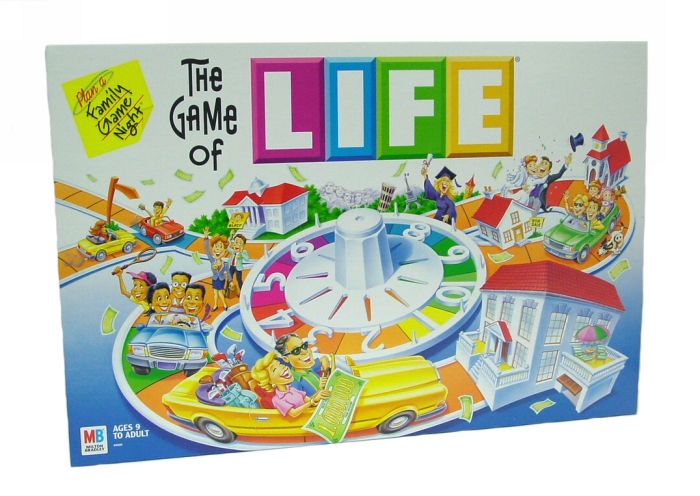
The National Toy Hall of Fame at the Strong museum in Rochester, N.Y., on Nov. 4 inducted two new toys – playing cards and Hasbro’s The Game of Life board game.
The two honorees were selected from among 12 toy finalists that included: Cabbage Patch Kids, chess, dollhouse, dominoes, Dungeons & Dragons, Hot Wheels, Lite Brite, Magic 8 Ball, pogo stick, and Rubik’s Cube.
Robot Hall of Fame
The Robot Hall of Fame was supposed to induct two fictional robots and three real robots this year. But organizers canceled the induction ceremony because of a lack of funding, according to IBD’s tech blog Click.
The 2010 class of inductees was to include the T-800 Terminator, played by Arnold Schwarzenegger in the 1984 movie “The Terminator,” and Huey, Dewey and Louie from the 1971 science-fiction film “Silent Running.”
The real-world robots honored were the DaVinci Medical Robot System from Intuitive Surgical, the Roomba vacuum cleaner from iRobot, and NASA’s Mars rovers Spirit and Opportunity.
The Carnegie Mellon School of Computer Science created the Robot Hall of Fame in 2003 to honor both real-world robotic achievements and fictional robots that have inspired countless scientists.
Inductees are enshrined at a permanent robotics exhibit called Roboworld at the Carnegie Science Center in Pittsburgh.
Rock and Roll Hall of Fame
The Rock and Roll Hall of Fame will announce its 2011 inductees on Dec. 15.
Fifteen nominees are in the running this year including Alice Cooper, Beastie Boys, Bon Jovi, Neil Diamond, J. Geils Band and Tom Waits. The winners will be enshrined at the Rock and Roll Hall of Fame in Cleveland, Ohio.
Hip Hop Hall of Fame
The Hip Hop Hall of Fame Awards is teaming with Hip Hop Pioneers to relaunch the Official Hip Hop Hall of Fame Awards Induction Ceremony & Concert Television Show.
The show is scheduled for taping on April 28. It will be the first broadcast of the Hip Hop Hall of Fame Awards Show since it aired in national syndication and on the BET Cable Network in the ’90s.
Organizers also are hoping to build a Hip Hop Hall of Fame museum in New York City.
As a fan of the concept, I track news associated with halls of fame, especially those involving entertainment and technology.
Here’s a summary of the activity:
IT Hall of Fame
Information technology trade group CompTIA is starting the IT Hall of Fame to honor the industry’s top business leaders and innovators.
The new virtual shrine will build on the legacy of an earlier hall of fame established by industry publication CRN, CompTIA said today.
Honorees from the CRN Industry Hall of Fame will be grandfathered into CompTIA’s new IT Hall of Fame, according to IBD’s tech blog Click. They include Bill Gates and Steve Ballmer of Microsoft, William Hewlett and Dave Packard of Hewlett-Packard, Steve Jobs of Apple, and Andy Grove of Intel.
CRN hasn’t chosen any new inductees for its Industry Hall of Fame since 2007.
At the very least, CompTIA needs to create a website that provides details on all the honorees and their accomplishments. CRN doesn’t have one.
National Toy Hall of Fame
The National Toy Hall of Fame at the Strong museum in Rochester, N.Y., on Nov. 4 inducted two new toys – playing cards and Hasbro’s The Game of Life board game.
The two honorees were selected from among 12 toy finalists that included: Cabbage Patch Kids, chess, dollhouse, dominoes, Dungeons & Dragons, Hot Wheels, Lite Brite, Magic 8 Ball, pogo stick, and Rubik’s Cube.
Robot Hall of Fame
The Robot Hall of Fame was supposed to induct two fictional robots and three real robots this year. But organizers canceled the induction ceremony because of a lack of funding, according to IBD’s tech blog Click.
The 2010 class of inductees was to include the T-800 Terminator, played by Arnold Schwarzenegger in the 1984 movie “The Terminator,” and Huey, Dewey and Louie from the 1971 science-fiction film “Silent Running.”
The real-world robots honored were the DaVinci Medical Robot System from Intuitive Surgical, the Roomba vacuum cleaner from iRobot, and NASA’s Mars rovers Spirit and Opportunity.
The Carnegie Mellon School of Computer Science created the Robot Hall of Fame in 2003 to honor both real-world robotic achievements and fictional robots that have inspired countless scientists.
Inductees are enshrined at a permanent robotics exhibit called Roboworld at the Carnegie Science Center in Pittsburgh.
Rock and Roll Hall of Fame
The Rock and Roll Hall of Fame will announce its 2011 inductees on Dec. 15.
Fifteen nominees are in the running this year including Alice Cooper, Beastie Boys, Bon Jovi, Neil Diamond, J. Geils Band and Tom Waits. The winners will be enshrined at the Rock and Roll Hall of Fame in Cleveland, Ohio.
Hip Hop Hall of Fame
The Hip Hop Hall of Fame Awards is teaming with Hip Hop Pioneers to relaunch the Official Hip Hop Hall of Fame Awards Induction Ceremony & Concert Television Show.
The show is scheduled for taping on April 28. It will be the first broadcast of the Hip Hop Hall of Fame Awards Show since it aired in national syndication and on the BET Cable Network in the ’90s.
Organizers also are hoping to build a Hip Hop Hall of Fame museum in New York City.
Friday, October 1, 2010
12 notable movies about the personal computer and Internet industries and their impact
In honor of today’s release of “The Social Network,” about the founding of social networking website Facebook, here are 12 notable movies related to the computer and Internet industries.
Notice I say notable instead of good or bad. Each of these films has something to say about the early days of personal computers and the Internet and their impact on our culture. Some are entertaining and informative; others not so much.
They’re all either documentaries or based on true stories.
Triumph of the Nerds (1996)
In this follow-up to “Triumph of the Nerds,” Cringely delves into the history of the Internet. Among those interviewed are Microsoft’s Gates, Netscape’s Mark Andreesen, and AOL’s Steve Case.
Pirates of Silicon Valley (1999)
“Pirates of Silicon Valley” is a made-for-TV docudrama based on the book “Fire in the Valley: The Making of The Personal Computer” by Paul Freiberger and Michael Swaine. It shows the rise of the personal computer and the rivalry between Apple and Microsoft.
Anthony Michael Hall (“Weird Science”) played Bill Gates and Noah Wyle (“E.R.”) played Steve Jobs.
Rotten Tomatoes critics rating: 86% positive.
Startup.com (2001)
“Startup.com” captures the dot-com era boom and bust. The documentary focuses on startup GovWorks and the entrepreneurs behind it. It shows their struggles to raise capital from New York’s Silicon Alley and investment communities and build a business around a Web site to facilitate citizen interaction with government agencies.
Rotten Tomatoes critics rating: 92% positive.
E-Dreams (2002)
The documentary “E-Dreams” chronicles the dramatic growth and collapse of Internet startup Kozmo.com, which provided online shopping and one-hour delivery of everything from video games and movies to food and coffee.
It shows the experiences of co-founders Joseph Park and Yong Kang, two young investment bankers swept up in the dot-com frenzy.
Rotten Tomatoes critics rating: 60% positive.
Revolution OS (2002)
“Revolution OS” is a documentary that tells the stories of hackers who rebelled against Microsoft’s dominance to create Linux and the Open Source movement. Those interviewed include software engineer Linus Torvalds, who became the chief architect of the Linux kernel, and Richard Stallman, who initiated the free software movement.
Rotten Tomatoes critics rating: 43% positive.
We Live In Public (2008)
“We Live In Public” is a documentary on the life of dot-com entrepreneur Josh Harris, and his exploits over the last decade, including his surveillance-as-art project on the Internet.
Rotten Tomatoes critics rating: 84% positive.
Welcome to Macintosh (2008)
“Welcome to Macintosh” is a documentary that looks at how Apple has changed the world with the Macintosh computer and other products. It explores Apple from the early days of the Apple I to the company’s Macs circa 2008.
Rotten Tomatoes audience rating: 33% positive.
Rip! A Remix Manifesto (2008)
In the documentary “Rip!: A Remix Manifesto,” Web activist and filmmaker Brett Gaylor explores issues of copyright in the information age. He shows how mash-up artists are influencing popular culture and the media landscape.
Rotten Tomatoes critics rating: 33% positive.
MacHeads (2009)
“MacHeads” is a short documentary (54 minutes) that explores the fanaticism that surrounds the Apple brand. It features interviews with Mac evangelists and members of the Mac community.
Rotten Tomatoes audience rating: 43% positive.
Middle Men (2010)
This drama is a highly fictionalized account of the early days of Internet porn. It’s loosely based on the true story of Christopher Mallick, one of the producers of the movie. Mallick still owns an Internet billing company. It stars Luke Wilson, Giovanni Ribisi and James Caan.
Rotten Tomatoes critics rating: 41% positive.
The Social Network (2010)
Notice I say notable instead of good or bad. Each of these films has something to say about the early days of personal computers and the Internet and their impact on our culture. Some are entertaining and informative; others not so much.
They’re all either documentaries or based on true stories.
Triumph of the Nerds (1996)
“Triumph of the Nerds” is Robert Cringely’s in-depth documentary on the early days of the personal computer industry. The PBS series aired in three episodes (“Impressing Their Friends,” “Riding the Bear” and “Great Artists Steal”) and includes interviews with Microsoft’s Bill Gates and Apple’s Steve Jobs and Steve Wozniak, among others.
Rotten Tomatoes audience rating: 83% positive reviews.
Nerds 2.0.1: A Brief History of the Internet (1998)
In this follow-up to “Triumph of the Nerds,” Cringely delves into the history of the Internet. Among those interviewed are Microsoft’s Gates, Netscape’s Mark Andreesen, and AOL’s Steve Case.Pirates of Silicon Valley (1999)
Anthony Michael Hall (“Weird Science”) played Bill Gates and Noah Wyle (“E.R.”) played Steve Jobs.
Rotten Tomatoes critics rating: 86% positive.
Startup.com (2001)
“Startup.com” captures the dot-com era boom and bust. The documentary focuses on startup GovWorks and the entrepreneurs behind it. It shows their struggles to raise capital from New York’s Silicon Alley and investment communities and build a business around a Web site to facilitate citizen interaction with government agencies.Rotten Tomatoes critics rating: 92% positive.
E-Dreams (2002)
The documentary “E-Dreams” chronicles the dramatic growth and collapse of Internet startup Kozmo.com, which provided online shopping and one-hour delivery of everything from video games and movies to food and coffee.It shows the experiences of co-founders Joseph Park and Yong Kang, two young investment bankers swept up in the dot-com frenzy.
Rotten Tomatoes critics rating: 60% positive.
Revolution OS (2002)
“Revolution OS” is a documentary that tells the stories of hackers who rebelled against Microsoft’s dominance to create Linux and the Open Source movement. Those interviewed include software engineer Linus Torvalds, who became the chief architect of the Linux kernel, and Richard Stallman, who initiated the free software movement.Rotten Tomatoes critics rating: 43% positive.
We Live In Public (2008)
“We Live In Public” is a documentary on the life of dot-com entrepreneur Josh Harris, and his exploits over the last decade, including his surveillance-as-art project on the Internet.Rotten Tomatoes critics rating: 84% positive.
Welcome to Macintosh (2008)
“Welcome to Macintosh” is a documentary that looks at how Apple has changed the world with the Macintosh computer and other products. It explores Apple from the early days of the Apple I to the company’s Macs circa 2008.Rotten Tomatoes audience rating: 33% positive.
Rip! A Remix Manifesto (2008)
In the documentary “Rip!: A Remix Manifesto,” Web activist and filmmaker Brett Gaylor explores issues of copyright in the information age. He shows how mash-up artists are influencing popular culture and the media landscape.Rotten Tomatoes critics rating: 33% positive.
MacHeads (2009)
“MacHeads” is a short documentary (54 minutes) that explores the fanaticism that surrounds the Apple brand. It features interviews with Mac evangelists and members of the Mac community.Rotten Tomatoes audience rating: 43% positive.
Middle Men (2010)
This drama is a highly fictionalized account of the early days of Internet porn. It’s loosely based on the true story of Christopher Mallick, one of the producers of the movie. Mallick still owns an Internet billing company. It stars Luke Wilson, Giovanni Ribisi and James Caan.Rotten Tomatoes critics rating: 41% positive.
The Social Network (2010)
Saturday, June 12, 2010
4 interesting tech industry lists
Enjoy!
10 software developments that changed the face of computing (Listverse; Sept. 2, 2008)
100 oldest registered .com domains (Whois.com)
How 13 tech behemoths came up with their names (Business Insider; March 24, 2010)
Top 10 funniest tech ads ever made (ARN; April 16, 2010)
Photo: Apple iPhone 4. See list of how tech companies, like Apple, got their names.
Sunday, May 2, 2010
Fun business lists: Top tech rivalries, worst corporate name changes, biggest dot-com flops
Web surfers love lists and I’m no exception. Here are eight interesting business-related lists, including one by yours truly.Enjoy!
Top 10 tech rivalries today (Investors.com, May 3, 2010)
Top 10 Worst Corporate Name Changes (Time, Feb. 8, 2010)
The 100 Least Powerful People Under 100 (AOL Finance & Money, 24/7 Wall St., Feb. 16, 2010)
The World’s 25 Most Inventive Companies (Bloomberg Businessweek, Dec. 23, 2009)
10 Stocks to Buy Your Kids in 2010 (Jim Cramer, “Mad Money,” CNBC, Dec. 14, 2009)
The 100 Oldest Companies in the World (BizAims, March 7, 2008)
Top 10 dot-com flops (CNet, April 2007)
The greatest defunct websites and dot-com disasters (CNet, June 5, 2008)
Photo: Dollar symbol by Svilen.milev from Wikimedia Commons.
Tuesday, April 13, 2010
Celebrate the first National Robotics Week with some cool robot lists

In honor of the first National Robotics Week, here are some fun robot lists, both real and fictional.
5 robots we should deploy right now (Popular Mechanics, Feb. 2010)
The 13 most legendary robots from film (The Huffington Post, April 2010)
Best movie robots (Rotten Tomatoes, June 2009)
10 sexy robots that fry our circuits (Asylum, Sept. 2009)
The Wild World of Robots infographic (Geeks Are Sexy, Feb. 2010)
National Robotics Week runs April 10-18. Its goal is to recognize robotics technology as a pillar of 21st century American innovation and to highlight its growing importance in a variety of industries, including manufacturing, health care, national defense and security, agriculture and transportation.
National Robotics Week was created by an alliance of companies, universities and organizations with a stake in robotics.
5 robots we should deploy right now (Popular Mechanics, Feb. 2010)
The 13 most legendary robots from film (The Huffington Post, April 2010)
Best movie robots (Rotten Tomatoes, June 2009)
10 sexy robots that fry our circuits (Asylum, Sept. 2009)
The Wild World of Robots infographic (Geeks Are Sexy, Feb. 2010)
National Robotics Week runs April 10-18. Its goal is to recognize robotics technology as a pillar of 21st century American innovation and to highlight its growing importance in a variety of industries, including manufacturing, health care, national defense and security, agriculture and transportation.
National Robotics Week was created by an alliance of companies, universities and organizations with a stake in robotics.
Sunday, January 3, 2010
Device forces you to estimate how badly you stunk up the restroom

On a recent visit to my parents’ new home in Illinois, I took an interest in a lighting and fan control fixture on their restroom wall.In addition to the on-off switch for the light, it had a column of buttons for the ceiling fan. The fan buttons were labeled with the number of minutes the fan would operate before shutting off. The fan times listed were 5, 10, 15 and 30 minutes.
In effect, these buttons force the bathroom user to determine how badly he or she stunk up the place. Mild stink? Five minutes. A little worse? Ten minutes. Oh, my God, what died in here? Fifteen minutes. Hazmat zone? Thirty minutes.
In the future, I can envision automated systems that determine how long the fan needs to run. But in the meantime, these machines will require truthful assessments by the user.
Photos:
Bathroom control switch at my parents’ home;
Jim Carrey exits the bathroom and says, “Do NOT go in there!” Screen grab from “Ace Ventura: Pet Detective” (1994).
Saturday, January 2, 2010
Steve Jobs channels Jean-Luc Picard

I haven’t seen so many tablet computers, or at least concepts, since “Star Trek” was running new episodes.Apple is rumored to be coming out with a tablet computer this year. Other tech companies, including Dell, HP and Lenovo, are following Apple’s lead and developing tablet computers as well.
The mockups I’ve seen look pretty familiar. That’s because they look like props from the science-fiction series “Star Trek.” The mockups are being done by media organizations that want to illustrate their Apple tablet rumor stories. The digital artists are probably “Star Trek” fans – tech geeks often are.
Maybe Apple CEO Steve Jobs is a fan of “Star Trek” too and channeled Captain Jean-Luc Picard to get his underlings to make a tablet by saying, “Make it so.”
Photos:
Mockup of an Apple tablet next to an iPhone by Gizmodo.
“Star Trek” tablet computer called a PADD, short for personal access display device. See description and photos on Memory Alpha.
Labels:
apple,
dell,
hp,
star trek,
steve jobs,
tech industry
Subscribe to:
Posts (Atom)